
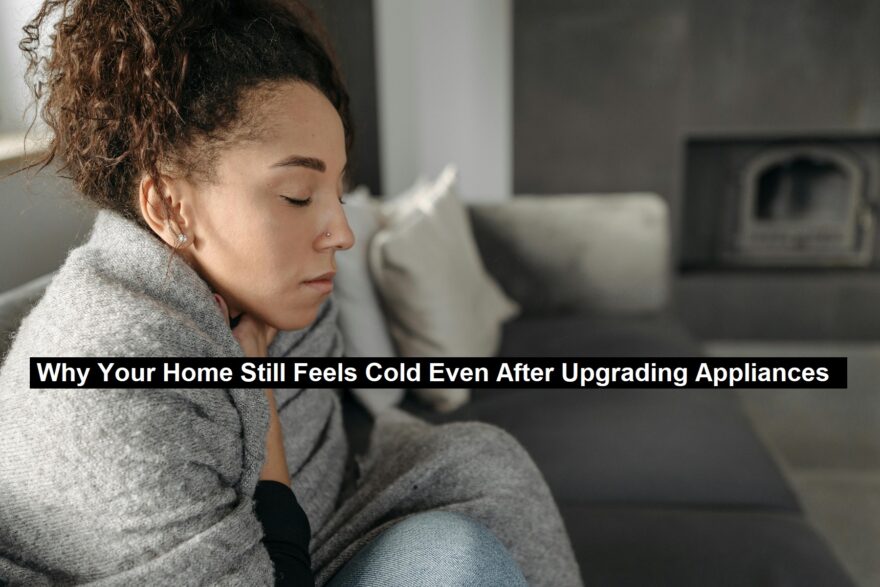
Replacing old appliances usually comes with a sense of relief. New heating systems are quieter, more responsive, and promoted as energy efficient. Everything suggests the home should feel warmer almost immediately. Yet many properties tell a different story. Cold patches linger near windows, larger rooms never quite settle, and certain areas feel uncomfortable no matter how long the system runs.
This situation often feels frustrating because nothing is technically “wrong.” The appliances are functioning as intended. The problem sits outside the equipment itself. More often than not, the real issue is the space the appliance is trying to heat, not the appliance doing the work.
Efficiency Does Not Mean Heat Stays Put
Modern boilers and heaters are designed to convert energy into heat efficiently. They are not designed to stop heat from escaping. Their performance relies on the assumption that once warmth is produced, the building can hold onto it.
When that assumption fails, systems compensate quietly. They run longer, cycle more often, and struggle to maintain stable temperatures. Over time, this leads to rooms that feel persistently cool rather than briefly cold.
UK government guidance on domestic energy efficiency consistently highlights heat loss as a leading cause of discomfort in homes with modern systems. Structural gaps allow warmth to disappear faster than appliances can realistically replace it, creating a constant imbalance.
Where Warmth Commonly Slips Away
Heat loss follows familiar patterns. Older windows, compressed seals, thin glazing, and poorly insulated frames are frequent problem areas. Even small gaps around fittings can disrupt temperature control, especially during colder periods when the difference between indoor and outdoor air is more pronounced.
According to the Energy Saving Trust, windows and doors account for a notable share of household heat loss, particularly in properties built before updated efficiency standards. This helps explain why replacing appliances alone rarely delivers the comfort expected.
Uneven Temperatures Point to Structure, Not Equipment
A warm living room paired with a permanently cold bedroom usually signals a structural issue. Heating systems distribute warmth evenly only when resistance across the building is consistent. If one area loses heat faster than another, it will always lag behind, regardless of appliance output.
This pattern is especially noticeable in open-plan spaces, rooms with large window surfaces, or north-facing areas. Without adequate insulation and effective glazing, these rooms continuously pull warmth away from the rest of the property.
Why Windows Shape Comfort More Than Many Expect
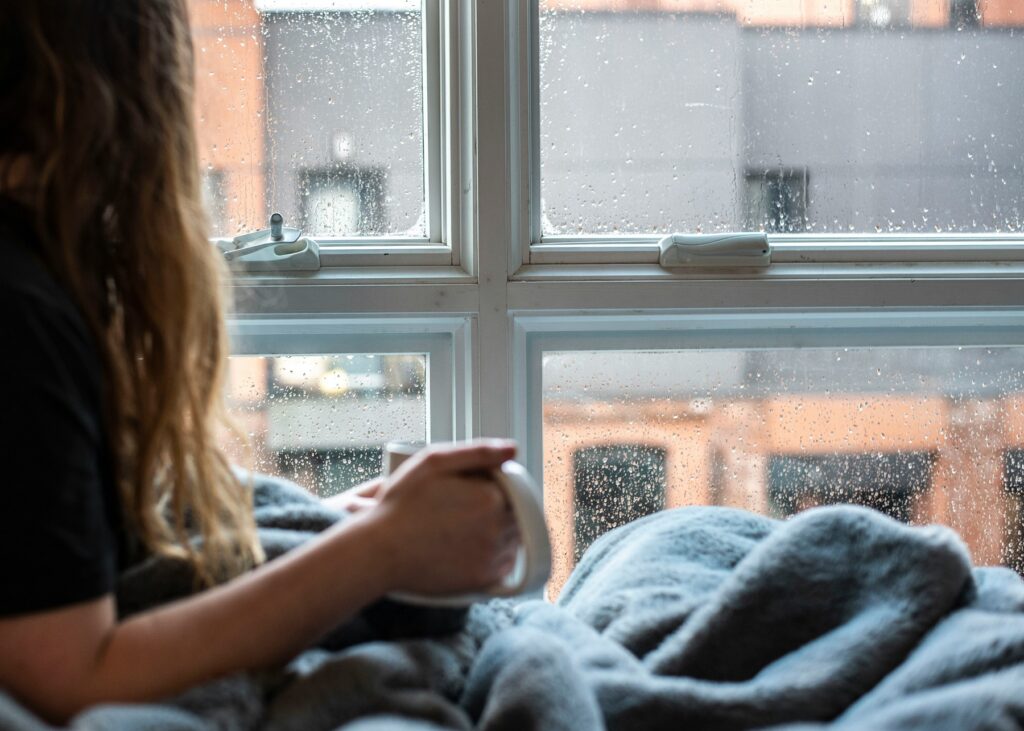
Windows are often chosen for light, appearance, or cost, but their impact on comfort is far-reaching. Poorly performing windows create persistent cold zones that affect airflow, surface temperature, and overall room balance.
Even the most efficient appliances struggle when heat is constantly escaping. This is where companies such as Windoworld come into the picture, focusing on window solutions that help limit energy loss and stabilise indoor temperatures. When heat transfer is reduced at the window level, heating systems operate closer to their intended efficiency instead of constantly compensating for loss.
Energy Performance Is a Collective Effort
Comfort is rarely the result of a single upgrade. Heating appliances, insulation, and structural components need to support one another. When these elements are treated in isolation, results often fall short, and costs rise unnecessarily.
Department of Energy regularly note that reducing heat loss delivers more reliable comfort improvements than simply increasing heating output. Appliance efficiency only matters when the building allows that efficiency to be effective.
Identifying the Real Cause of Ongoing Cold
When a home remains cold after upgrades, focusing solely on appliance specifications can be misleading. Draft testing, thermal imaging, and professional assessments often reveal issues that are not immediately visible. These findings frequently point toward window performance, sealing quality, or insulation gaps rather than equipment failure.
Many of these problems can be addressed without major disruption. Targeted improvements often result in noticeable comfort gains while also reducing long-term energy use and unnecessary strain on heating systems.
Comfort Depends on Balance, Not Output
The idea that newer or more powerful appliances automatically create warmth overlooks how heat behaves inside real buildings. Comfort depends on balance. Heat must be generated and retained at similar rates. When retention falls behind, even advanced systems struggle.
Understanding this relationship leads to more effective decisions, fewer repeat upgrades, and homes that feel consistently comfortable instead of temporarily warm.
